Recreational athlete preparing food before a workout
Educational Resource

Eat Well.
Move Well.
No Pro Card Required.

Understanding what to eat around exercise is not reserved for elite athletes. Yijupu explains the fundamentals of sports nutrition for everyday people who run, cycle, hike, swim, or simply move with intention.

Nutrition does not have to be complicated. It starts with understanding what your body actually needs before and after physical activity.

Core Topics

Four Pillars of Recreational Fueling

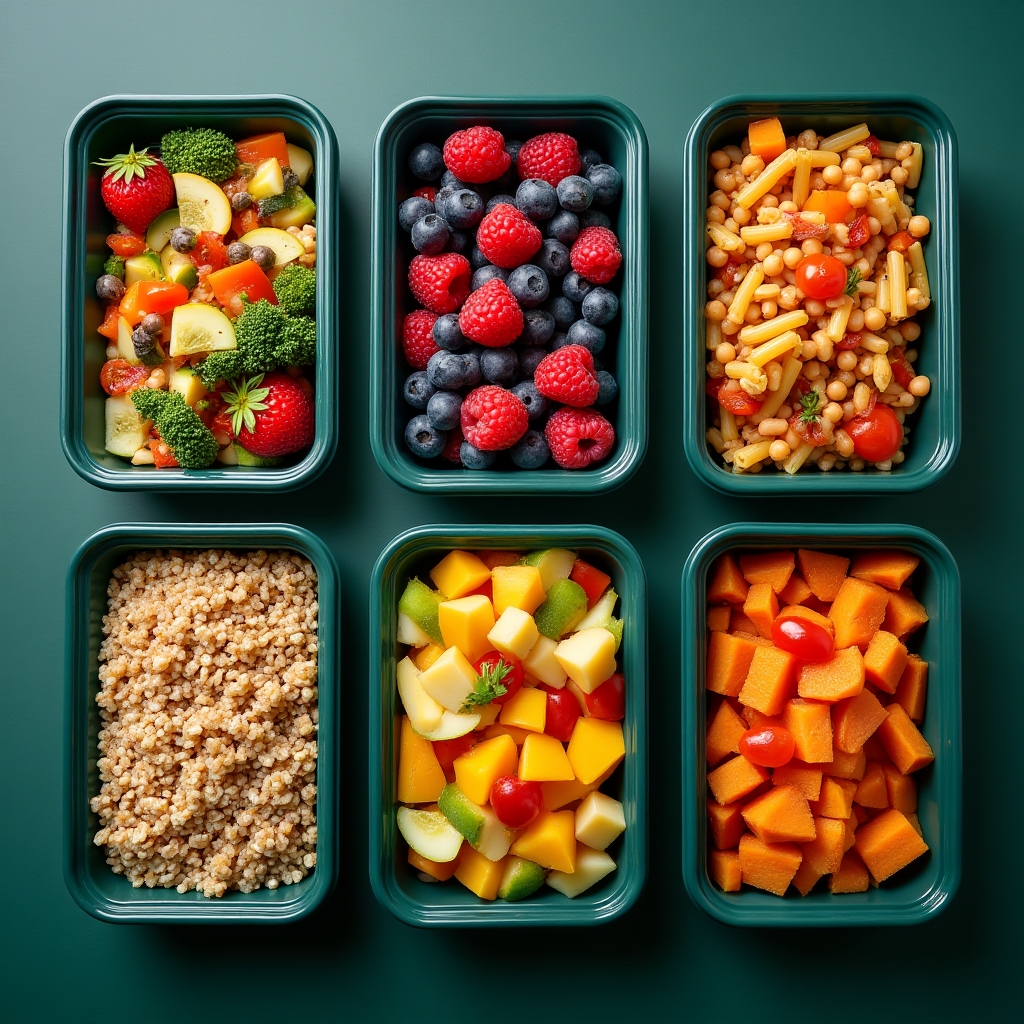
Colorful meal prep containers with whole grains and vegetables
Pre-Exercise

Fueling Before You Move

Carbohydrates are the body's most accessible energy source during moderate to vigorous activity. Eating a meal or snack that includes easily digestible carbs one to three hours before exercise can support sustained effort. Protein and fat slow digestion, so timing and portion size matter more than any single food choice.

Read more


Hydration

Water Is the Foundation

Dehydration affects focus and physical output before you notice thirst. Drinking water consistently throughout the day is more useful than drinking large amounts right before exercise. Sweat rate varies by person, temperature, and intensity.

Learn more
Person eating a balanced recovery meal after a run
Post-Exercise

Recovery Starts at the Table

After physical activity, the body begins repairing muscle tissue and restoring energy stores. A combination of carbohydrates and protein within a reasonable window after exercise supports this process. The window is not as narrow as once believed, but eating within a few hours remains a practical guideline.

Recovery tips
Macronutrients

Carbs, Protein, Fat

Each macronutrient plays a distinct role. Carbohydrates fuel activity. Protein supports repair. Fat provides sustained energy and supports many body functions. No single macronutrient is the enemy or the hero.

Understand macros
Beginner athlete stretching outdoors in a park before a jog
Beginners

Where to Start When Everything Feels New

Beginning a movement routine brings up questions about eating schedules, portion sizes, and energy levels. This site addresses the most common questions without pushing products or extreme approaches. Small, consistent changes in eating habits tend to produce more lasting results than overhauls.

Start here
About Yijupu

Education Without the Noise

There is a lot of nutrition information online. Much of it is tied to products, affiliate links, or oversimplified advice. Yijupu exists to provide straightforward, general education about how food interacts with physical activity.

This site does not endorse supplements. It does not make performance claims. It explains concepts so you can make informed choices that fit your life and your goals.

Our Approach
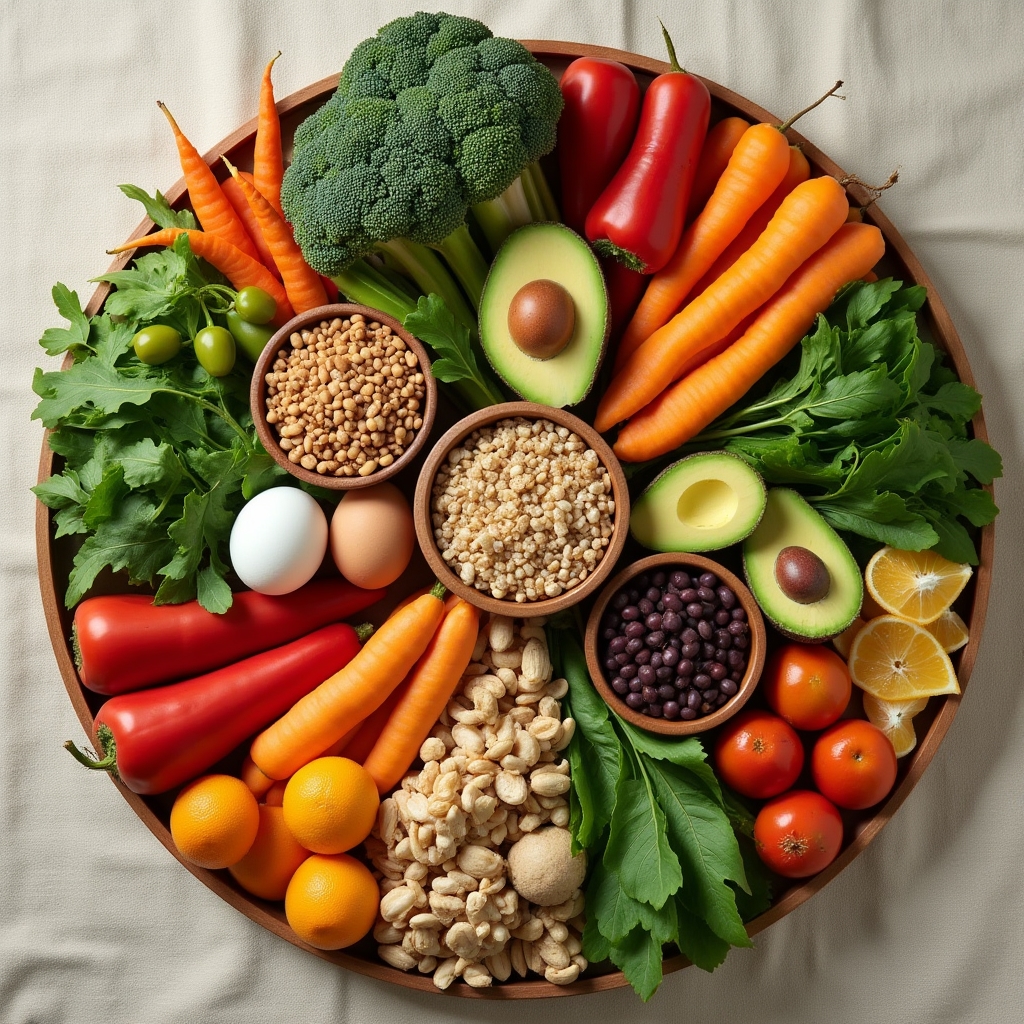
Overhead view of nutritious whole foods including fruits, grains, and vegetables
No supplements
promoted
Our Standards

How We Approach Information

Yijupu follows established educational principles to ensure content is accurate, balanced, and useful for recreational athletes at any level.

Evidence-Informed

Content is grounded in widely accepted nutritional science and exercise physiology principles, not trends or marketing copy.

Supplement-Free Guidance

No products are recommended or reviewed. The focus stays on whole food strategies and general eating patterns around activity.

Built for Recreational Athletes

Content is written for people who exercise regularly but do not compete professionally. Weekend runners, casual cyclists, fitness class regulars.

Balanced Perspective

No single diet philosophy is pushed. The site presents a range of general concepts so readers can evaluate what fits their individual context.

Quick Concepts

Things Worth Knowing

01

Glycogen Stores

Your muscles and liver store carbohydrates as glycogen. These stores power activity. When they run low, intensity typically drops. Eating before longer sessions helps maintain these stores.

02

Protein Timing

Protein supports muscle repair. Spreading intake across meals throughout the day is generally more effective than concentrating it in one sitting. Most recreational athletes already consume enough through normal eating.

03

Electrolytes

Sodium, potassium, and magnesium are lost in sweat. For most recreational exercise sessions under an hour, water is sufficient. Longer sessions in heat may warrant attention to electrolyte replacement through food.

04

Caloric Needs Shift

Exercise increases energy expenditure. Under-fueling consistently can impair recovery, mood, and performance over time. Eating enough to support your activity level is a foundational concept, not a detail.

05

Individual Variation

Digestion, food preferences, activity type, and schedule all affect what works best. General guidelines provide a useful starting point. How your body responds is the more important signal.

Common Questions

Frequently Asked

Answers to the questions that come up most often when people start thinking about nutrition around exercise.

For sessions lasting under 45 minutes at moderate intensity, many people do fine without eating beforehand, especially if they had a meal within the previous three to four hours. If you feel lightheaded or your energy drops noticeably, a small carbohydrate-based snack 30 to 60 minutes before can help. There is no universal rule here. Your own experience over several sessions is a reliable guide.

A combination of carbohydrates and protein within a few hours after exercise supports muscle repair and glycogen replenishment. A regular meal that includes both macronutrients typically covers this well. You do not need a special recovery product. Whole foods like eggs with toast, rice with chicken, or yogurt with fruit serve the same purpose.

General guidance suggests drinking water consistently throughout the day rather than waiting until you are thirsty. Before exercise, being well-hydrated is more practical than trying to catch up in the hour before. During activity, drinking to comfort is a reasonable approach for most recreational sessions. Urine color is a simple indicator of hydration status. Pale yellow typically indicates adequate hydration.

Carbohydrates are the primary fuel source for moderate to high intensity exercise. For recreational athletes, reducing carbohydrates significantly can affect energy availability during sessions. The type and timing of carbohydrates matters more than their presence or absence. Whole grains, fruits, legumes, and starchy vegetables provide carbohydrates alongside fiber and micronutrients.

Most recreational athletes who eat a varied diet that includes meat, fish, dairy, eggs, legumes, or a combination of plant proteins are already meeting their protein needs. Supplements can fill gaps when food intake is genuinely insufficient, but they are not a requirement. This site does not endorse any specific supplement product. If you have concerns about protein intake, a registered dietitian is the appropriate resource.

Intensity and duration both influence fuel needs. A 30-minute walk and a 90-minute run place different demands on the body. Higher intensity and longer duration generally increase the benefit of pre-exercise carbohydrate intake and post-exercise recovery nutrition. For lower intensity activities, the nutritional considerations are less acute, though general healthy eating patterns remain relevant.

Ready to Learn More?

Explore how this site organizes sports nutrition education, or jump straight to recovery and beginner movement guides.