
What you do after exercise matters as much as what you do during it. Nutrition, sleep, and rest are the three pillars of recovery for recreational athletes.
Exercise is a stimulus. The adaptation, which is what most people mean when they talk about getting fitter or stronger, happens during the recovery period. Nutrition plays a direct role in how well that process unfolds.
Recreational athletes often focus on the workout itself and give less thought to what follows. A consistent approach to post-exercise eating, combined with adequate sleep and appropriate rest days, supports the body's natural repair processes.
Exercise depletes glycogen stores in muscles and the liver. Consuming carbohydrates after a session begins the replenishment process. The rate of replenishment depends on the carbohydrate quantity and type, as well as the individual's activity level. For most recreational athletes, a regular meal with carbohydrates is sufficient.
Physical activity, especially resistance exercise, creates microscopic damage in muscle fibers. Protein provides the amino acids needed to repair and rebuild this tissue. Including a protein source in your post-exercise meal supports this process. The amount needed varies by body size and exercise intensity, but moderate portions from whole food sources are a practical starting point.
Fluid lost through sweat needs to be replaced. Drinking water after exercise is the primary method. The amount needed depends on how much was lost, which varies by individual, session length, and environmental conditions. Salty foods consumed alongside water can assist rehydration by helping the body retain fluid more effectively.
Sleep is arguably the most underutilized recovery tool available. Growth hormone, which plays a role in tissue repair, is released primarily during sleep. Consistently getting adequate sleep supports recovery across all types of physical activity. Nutrition can influence sleep quality, with heavy meals close to bedtime sometimes disrupting sleep onset.
Exercise produces some degree of inflammation as part of the normal stress-and-adapt cycle. Certain foods, including colorful fruits and vegetables, fatty fish, nuts, and olive oil, contain compounds associated with supporting the body's natural inflammatory response. Including a variety of these foods in regular eating patterns is a general dietary principle, not a targeted treatment.
Rest days are part of a training plan, not a break from it. The body needs time without intense exercise to consolidate the adaptations from previous sessions. Light movement, such as walking or gentle stretching, on rest days can support circulation and reduce muscle soreness without adding significant physiological stress.
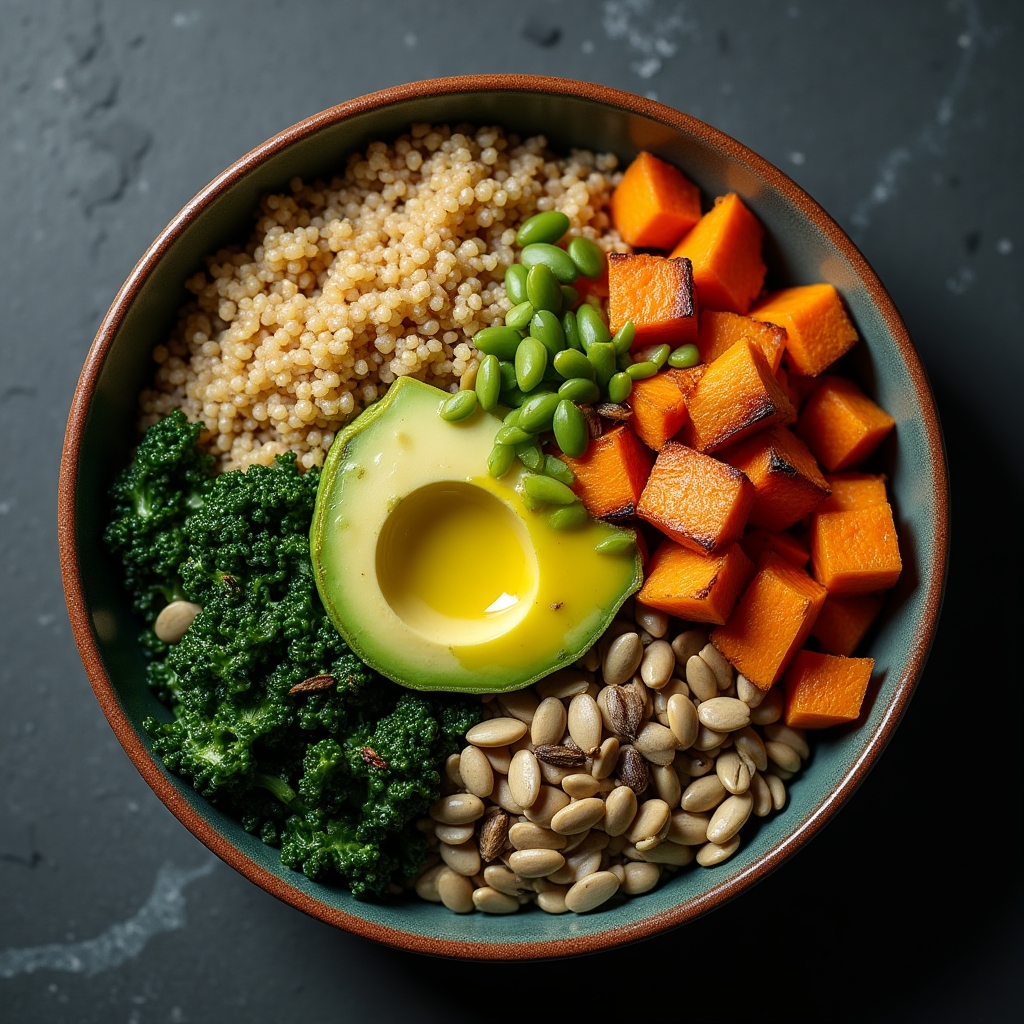
Post-exercise nutrition does not require special products. Everyday foods provide the carbohydrates and protein that support recovery when combined thoughtfully.
Consider meals like rice with grilled fish and roasted vegetables, a bowl of oatmeal with eggs on the side, or whole grain toast with nut butter and a piece of fruit. These combinations deliver carbohydrates for glycogen replenishment and protein for muscle repair without complexity.
Timing matters somewhat, but consistency matters more. Eating regular balanced meals throughout the day sets a stronger foundation than any single perfectly timed recovery snack.
The relationship between nutrition and sleep is bidirectional. Poor sleep affects appetite regulation and food choices. Certain eating patterns and timing choices affect how easily you fall asleep and the quality of sleep you get.
Consuming large meals very close to bedtime can interfere with sleep onset for some people. Caffeine, found in coffee, tea, energy drinks, and some foods, has a half-life of several hours and can affect sleep quality when consumed in the afternoon or evening. Alcohol may seem to aid sleep onset but tends to reduce overall sleep quality.
Tryptophan, an amino acid found in foods like turkey, dairy, eggs, and nuts, is a precursor to serotonin and melatonin. Consuming carbohydrates alongside tryptophan-containing foods may support its absorption. These are general observations, not prescriptions.
Our beginner movement guide covers the nutrition basics that matter most when you are just getting started with a regular activity routine.
