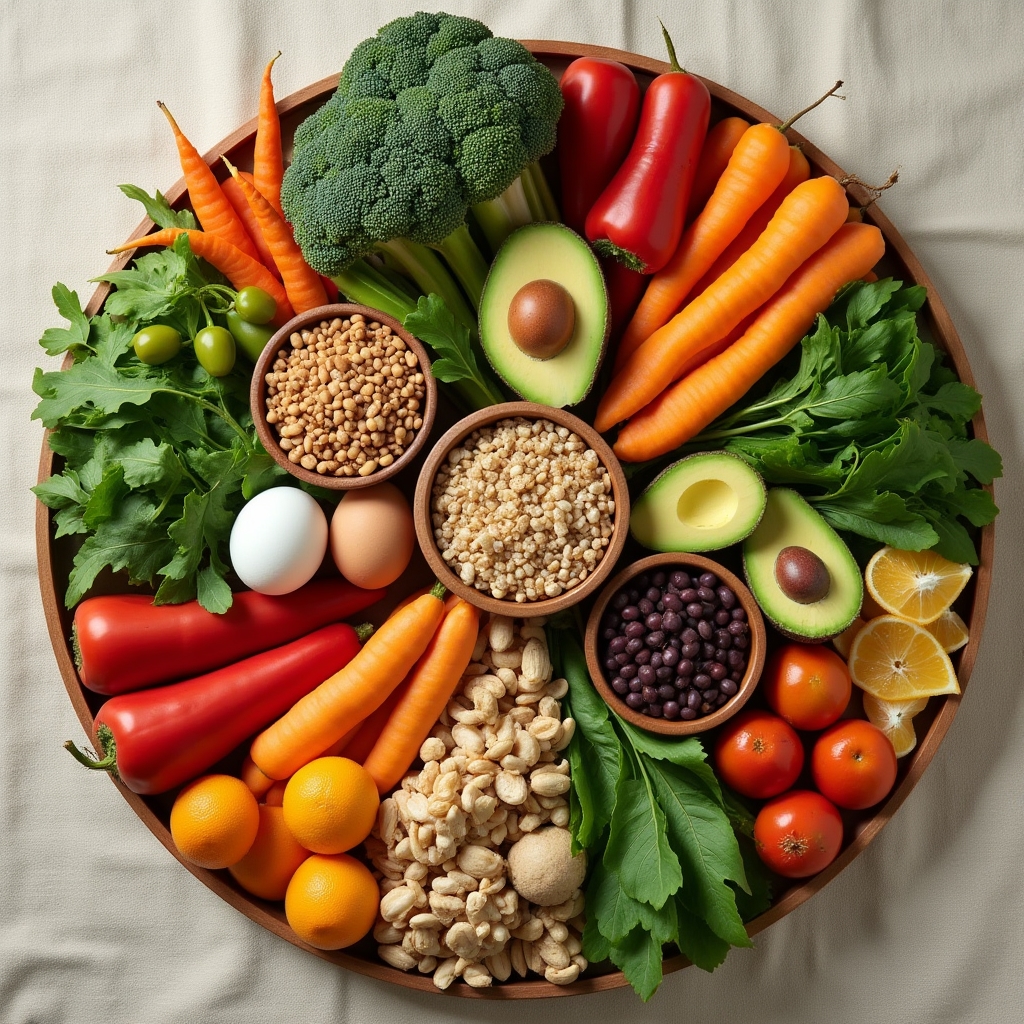
A practical, evidence-informed framework for understanding nutrition around physical activity. No extremes. No products.
Nutrition science produces new research continuously. Much of it is nuanced, context-dependent, and frequently misrepresented in popular media. The goal here is not to summarize every study. The goal is to provide a clear foundation that helps recreational athletes ask better questions and make more informed decisions.
This site does not replace a registered dietitian or sports nutritionist. For personalized dietary guidance, those are the appropriate professionals. What this site offers is general conceptual education that is applicable to a wide range of active people.
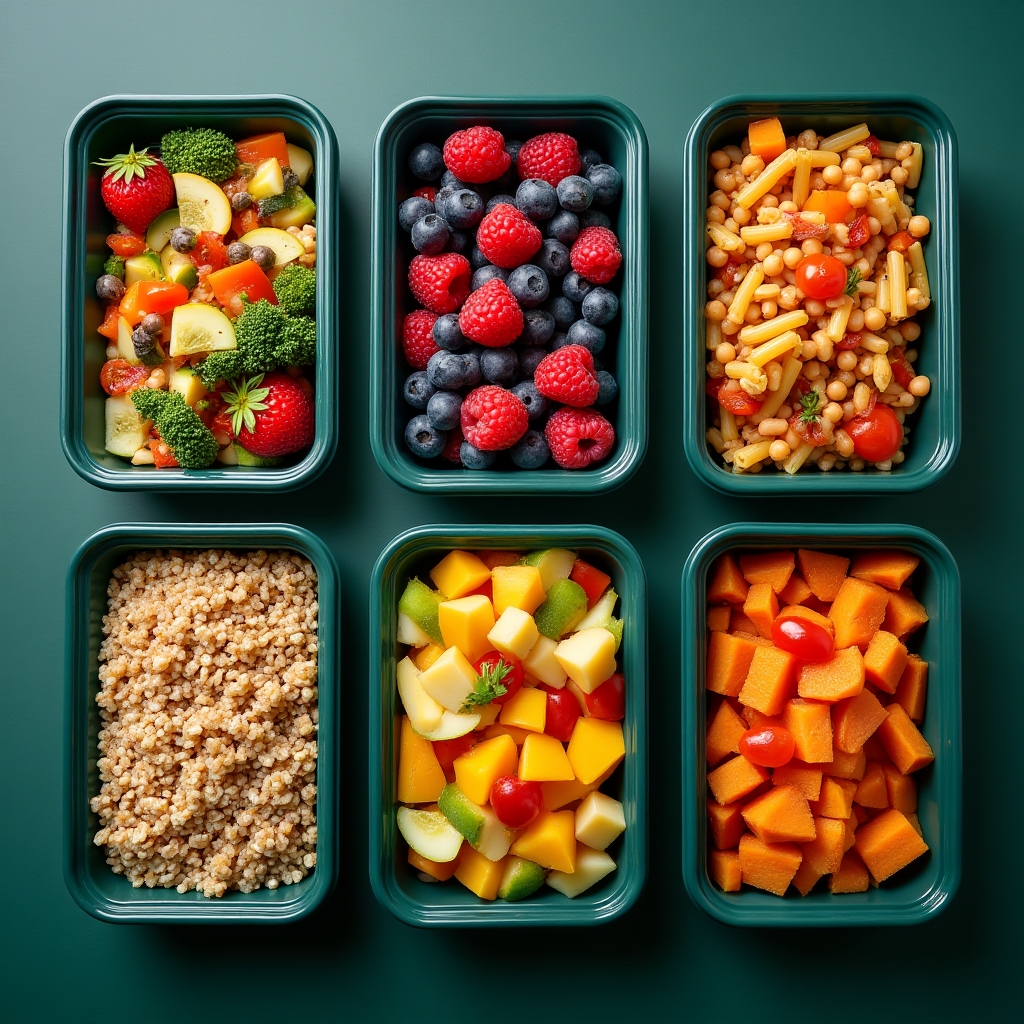
Understanding what carbohydrates, proteins, and fats actually do in the body is a practical starting point for any athlete.
The body converts carbohydrates into glucose, which fuels muscle contractions and brain function. Stored as glycogen in muscles and the liver, they are the most readily available energy source during moderate to high intensity exercise.
Whole food sources include oats, rice, bread, pasta, potatoes, fruit, and legumes. These also provide fiber, vitamins, and minerals that support overall health.
Protein is composed of amino acids, which are the structural units used to repair and build muscle tissue. After exercise, particularly resistance training, protein intake supports the muscle repair process.
Sources include meat, poultry, fish, eggs, dairy, legumes, tofu, tempeh, and a range of plant-based combinations. Distribution across the day matters as much as total daily intake.
Fat provides more energy per gram than carbohydrates or protein and plays a critical role in hormone production, fat-soluble vitamin absorption, and cell membrane integrity. During lower intensity exercise, fat is a primary fuel source.
Sources include nuts, seeds, avocado, olive oil, fatty fish, and dairy. The type of fat matters as much as the amount, with unsaturated fats generally viewed favorably in dietary guidelines.
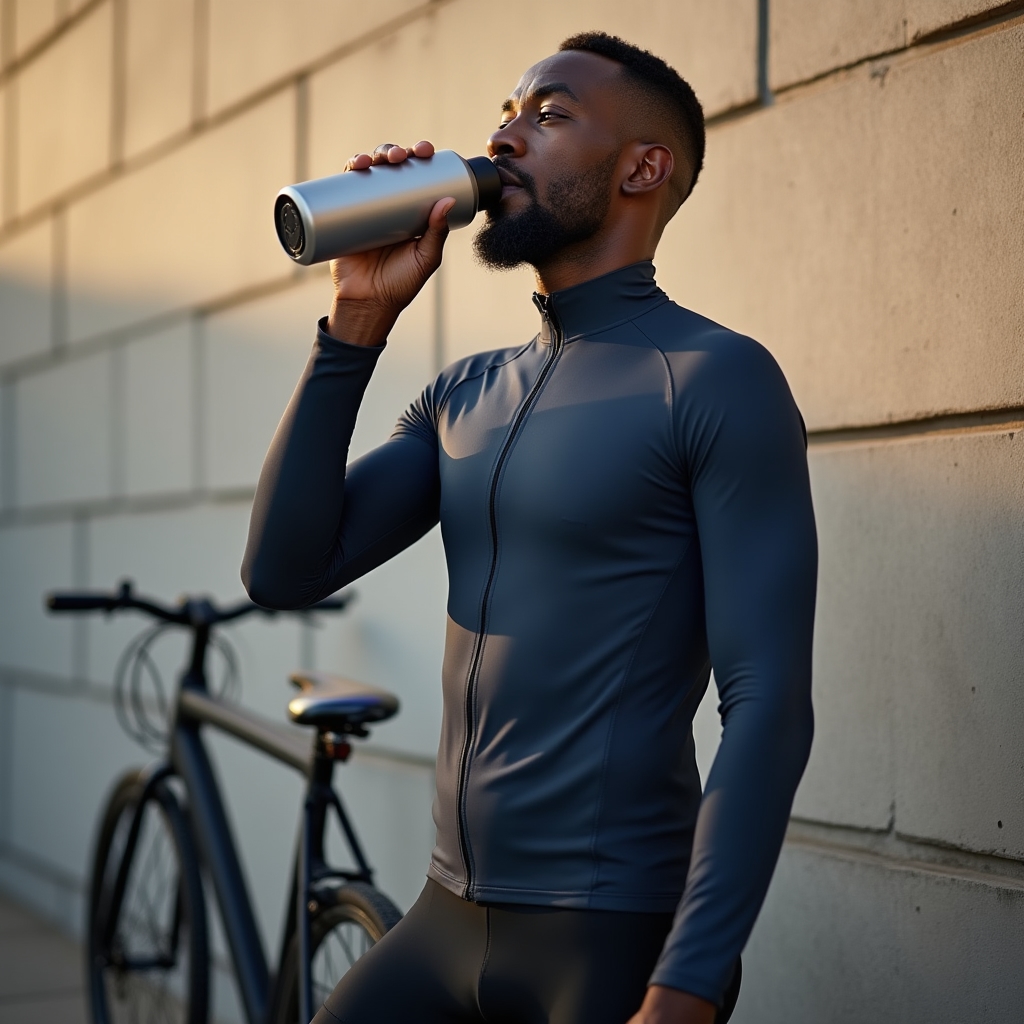
Water is involved in almost every physiological process, including temperature regulation, nutrient transport, and joint lubrication. Even mild dehydration can affect cognitive function and physical output during exercise.
Electrolytes, primarily sodium, potassium, and magnesium, are minerals lost in sweat. For sessions under 60 minutes in moderate conditions, water is typically sufficient. Longer or more intense sessions, particularly in heat, may require attention to electrolyte replacement.
Food is an underappreciated source of electrolytes. Fruits, vegetables, whole grains, and dairy all contribute to electrolyte intake without requiring specialized products.
Eating one to three hours before exercise allows time for digestion. A meal or snack containing carbohydrates, some protein, and minimal fat and fiber reduces digestive discomfort while providing available energy. Closer to the session, smaller and simpler is typically better.
For sessions lasting less than 60 minutes, additional fueling during exercise is generally not necessary. Longer sessions, especially endurance activities, may benefit from carbohydrate intake during the session. Water remains the primary consideration for most recreational exercise.
After exercise, the body works to restore glycogen and repair muscle tissue. Consuming a meal with carbohydrates and protein within a few hours supports this process. The so-called recovery window is not as narrow as once emphasized, but prompt eating remains practical guidance. A regular balanced meal serves this purpose well.
Continue learning with our guides on post-exercise recovery and getting started with movement as a beginner.
